Browser-Based HID Device Configuration Development for Peripheral Manufacturers

We design and develop custom WebHID configurator applications that let your users set up, customize, and control hardware directly from the browser — zero drivers, zero installations, zero friction. 

If your device speaks HID (gaming mice, mechanical keyboards, medical devices, or industrial panels), we can bring its configuration to the web.

WebHID Keyboard Configurator
DISCONNECTED
No device selected
Advanced Settings
Layer
Device
VID / PID0x3434 / 0x0311
Firmwarev1.4.2 (QMK-compatible)
SerialKX60-8841-2291
Connection
Polling rate1000 Hz
Latency~1 ms
Battery 82%
Hardware
PROFILE
DB 5ms
Key Sound
Double-click a key to record a macro
Console
Key: —
HID: 0x00
Effect:
R 88
G 166
B 255
BR 70%
Paint Mode
Enable RGB
Key Pressed:

When Browser-Based Configuration Gives You an Edge

Desktop configuration applications are a proven solution — and for numerous products, the right choice. But for many hardware teams, a WebHID-based tool solves problems that native apps can’t: no install barrier at unboxing, instant UI updates without re-releasing an app, and access in environments where IT policy blocks software installation.

Metric / Feature
Traditional Desktop Apps
WebHID Solution
User Onboarding
High friction — downloads, installers, reboots
Instant — plug in and open a URL
Cross-Platform Support
One shared codebase, but platform-specific builds, signing and QA for Windows and macOS
One web codebase — the browser handles differences across Windows, macOS, Linux, ChromeOS
Enterprise B2B Access
Blocked by corporate IT security policies
100% accessible — runs safely in the browser
Update Deployment
Fragmented versions, forced app updates
Instant server-side updates for all users
Development Cost
High — multiple platform-specific teams
Optimized — unified web & embedded expertise

What Is WebHID and Why Does It Matter?

WebHID (Web Human Interface Device) is a browser API (standardized as part of the W3C Web Capabilities project) that enables web applications to safely access and communicate with Human Interface Devices (HID). Supported natively in Chromium-based browsers (Chrome 89+, Edge 89+, ChromeOS), it creates a secure, permission-gated channel between the web app and physical hardware.

Note on browser support

Supports Chrome, Edge, and Chromium-based browsers. For Safari or Firefox environments, Developex designs graceful detection flows, fallbacks, or lightweight Electron-based wrappers to maintain broader compatibility.

Zero-Install Experience

Users grant permission once via a secure browser dialog; no system-level access required.

Unified Codebase

One web application runs natively across every Chromium browser — no platform-specific builds, no OS-level permissions.

Instant Cloud Updates

Code updates deploy instantly like any website, eliminating the "reinstall the driver" troubleshooting loop.

Is WebHID the Right Fit for Your Project?

WebHID is a powerful approach — but not the right choice for every situation. Here is an honest guide to help you decide.

WebHID is a great fit when…

Consider alternatives when…

WebHID Not The Right Fit?

Developex also delivers native desktop and mobile configurators — from Windows / macOS apps to BLE-based iOS and Android solutions.

End-to-End WebHID Development Services

WebHID Configurator Applications

Sleek, modern web UIs in React, Vue and TypeScript for real-time input visualization, button remapping, canvas-based RGB/LED lighting, and custom macro profiles.

React

Vue

TypeScript

HID Report Descriptor Analysis

Auditing existing descriptors for web compatibility and engineering optimized input/output/feature reports to ensure data integrity and sub-millisecond latency.

Descriptor Audit

Reports

Firmware HID Layer Integration

Modifying and refining the HID layer in your device firmware across standard MCU platforms to guarantee seamless communication with the browser.

STM32

nRF

Zephyr

FreeRTOS

Cloud API & Profile Backend

Centralized WebSocket server connecting devices and clients in real time. Enables cross-platform reach (web, mobile, desktop), user profile sync, community config sharing, usage analytics, and OTA fleet management.

AWS

GPC

Azure

OTA Firmware Updates via WebUSB

Integrating secure DFU (Device Firmware Upgrade) flows directly into the web app, allowing one-click browser-driven firmware flashing.

WebUSB

DFU

Cross-Platform QA & Testing

Automated and real-device regression testing across Windows 10/11, macOS, and ChromeOS to handle connect/disconnect edge cases and platform updates.

Windows

macOS

ChromeOS

Industries And Device Types We Build WebHID Configurators For
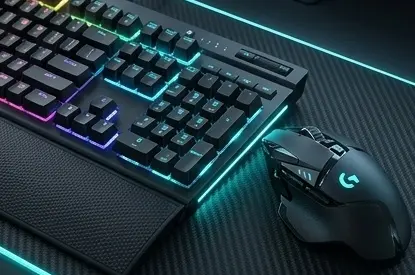
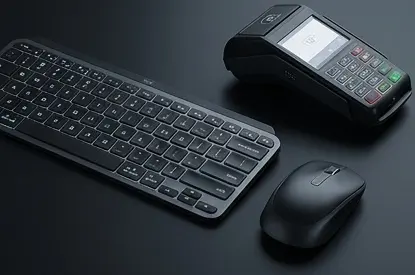
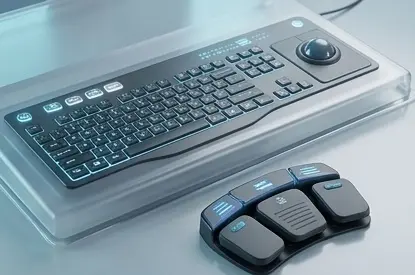
Gaming Peripherals
Enterprise & Office
Medical Devices
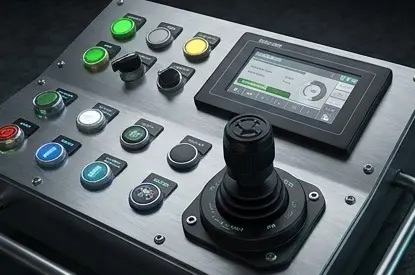
Industrial HMI
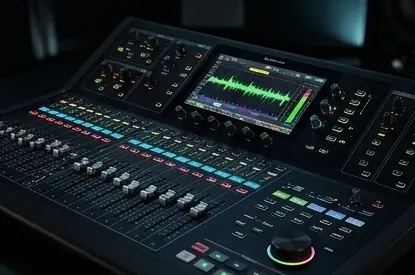
Pro Audio
Seamless Web Hardware Integration
We bridge the gap between web applications and custom hardware. No heavy desktop drivers or installations required—just instant, secure browser access to your device configuration.
Zero Installation
Cross-Platform
Real-time Control
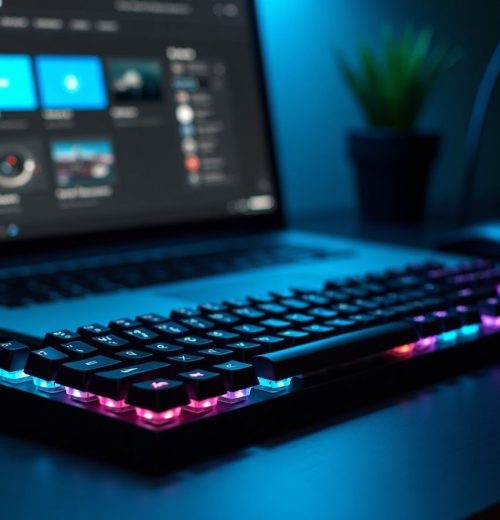
Browser-Based HID-USB Gaming Peripherals Configurator case study

Browser-Based HID-USB Gaming Peripherals Configurator

The client needed a modern, cross-platform configuration tool for their gaming keyboards — with no installation barrier for end users. We delivered a browser-based Angular + WebHID solution with full feature parity to their previous desktop app.

Our WebHID Development Process

HID Discovery & Technical Audit

Analyzing device descriptors, hardware constraints, and firmware requirements.

Architecture & UI/UX Design

Creating permission workflows, secure data-parsing pipelines, and clickable UI prototypes.

Agile Development

Full-stack engineering of the web app, backend sync, and firmware adjustments with weekly live demos.

QA & Compatibility Validation

Fuzz testing, latency benchmarking, and cross-OS validation on real hardware.

Deployment & Handover

Production launch, comprehensive tech documentation, and long-term maintenance planning.

The Developex WebHID Tech Stack

Web Layer

WebHID API

Vue.js

React

TypeScript

WebUSB

Web Workers

Firmware & Embedded

Embedded C/C++

Zephyr RTOS

Free RTOS

Nordic nRF

STM32

Custom MCUs

Protocol Layer

USB-IF HID Usage Tables

HID over USB

BLE HID

Custom HID Report Descriptors

Cloud & DevOps

AWS

GCP

Azure

Node.js

Python

REST & WebSockets

Why Peripheral Brands Partner with Developex

We've shipped real WebHID products

Unlike agencies that just read documentation, we have built and deployed production-ready WebHID applications. We’ve already solved the edge cases of report parsing, cross-OS quirks, and latency optimization.

True Full-Stack Engineering

Most web agencies don't understand bytes, and firmware shops don't build scalable cloud architectures. Developex owns the entire lifecycle—from the HID descriptor up to the React UI.

Deep Peripheral DNA

For 15+ years, we have developed device configuration software and firmware solutions for hardware brands. We know what your users expect.

Frequently Asked Questions About WebHID Development

The client needed a modern, cross-platform configuration tool for their gaming keyboards — with no installation barrier for end users. We delivered a browser-based Angular + WebHID solution with full feature parity to their previous desktop app.

Not necessarily. If your device already implements a standard USB HID class, it is already accessible via WebHID from the browser’s perspective. However, depending on the configuration operations you want to expose — for example, accessing vendor-specific feature reports or enabling firmware update via WebUSB — targeted firmware additions may be beneficial. We assess this during the Discovery phase.

WebHID is explicitly permission-gated. The browser presents a device chooser dialog to the user — no website can silently access a HID device. Additionally, the WebHID specification maintains a blocklist of sensitive device types (keyboards, pointing devices, security keys) that cannot be accessed via the API at all, regardless of user permission. Configuration access is limited to the website the user grants it to.

WebHID communicates through the HID protocol layer, which provides structured report-based communication appropriate for device configuration. WebUSB provides direct access to the USB protocol at a lower level, which enables operations that go beyond what HID allows — such as accessing the bootloader for firmware updates (DFU). For most peripheral configurator projects, we use WebHID as the primary channel and add WebUSB specifically for firmware update flows.

Project timelines depend on the complexity of your device’s HID interface, the number of configuration parameters to expose, whether backend development is in scope, and the UX complexity of the configuration interface. A focused configurator for a single device with well-documented HID reports typically takes 10–16 weeks from kick-off to production. We provide a detailed estimate after the Discovery phase.

Both are possible and we commonly implement both. Profiles can be stored on the device itself (in firmware/flash memory, written via HID feature reports), in browser local storage, or synced to a cloud backend with user accounts. Most enterprise and prosumer use cases benefit from cloud storage — it enables profile access from any machine, profile sharing, and backup. We design the storage architecture as part of the project scoping phase.

Yes. Developex operates in several engagement models: full project delivery, team augmentation (embedding our WebHID specialists into your existing team), or a technical advisory role where we guide your team through the protocol and architecture decisions. We adapt to your organizational structure.

Security and IP protection are paramount. While web application code is inherently client-side, Developex protects your proprietary HID commands and data report structures using advanced code obfuscation, minification, and by offloading critical cryptographic verifications or firmware validation to secure cloud environments. All development is covered under strict NDA agreements, and full source code ownership is transferred to the client upon project completion.

Ready to Move Your Device Configuration to the Browser?

Let’s evaluate your device’s HID interfaces and outline a seamless transition from desktop software to a modern browser app. Book a free consultation call and we’ll get back to you to discuss your project.

Transforming visions into digital reality with expert software development and innovation

Canada

Poland

Germany

Ukraine

© 2001-2026 Developex

Scroll to Top
image (5)
Privacy Overview

This website uses cookies so that we can provide you with the best user experience possible. Cookie information is stored in your browser and performs functions such as recognising you when you return to our website and helping our team to understand which sections of the website you find most interesting and useful.